UVRI Hosts Modern Viral Diagnostic Technologies Training
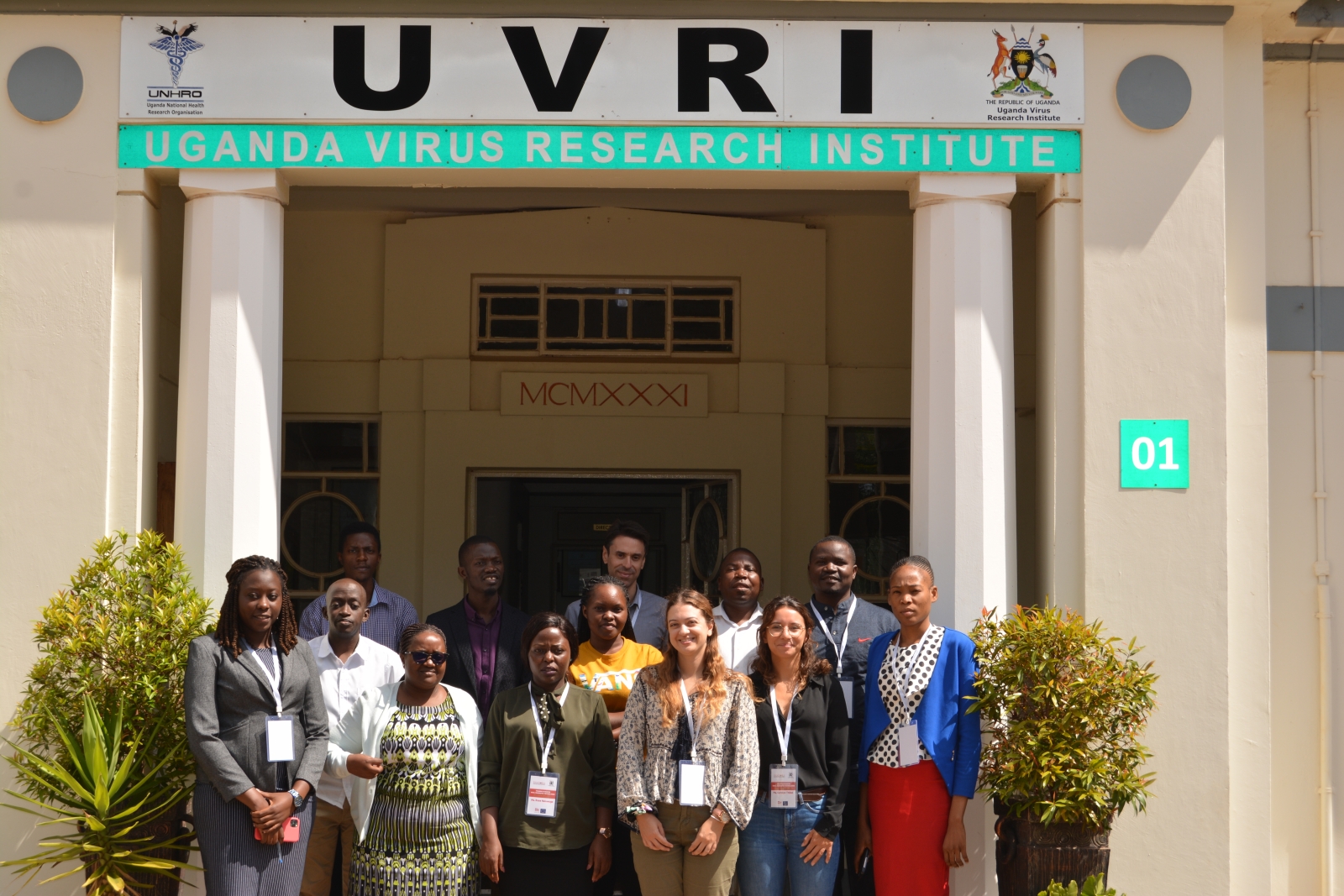
The training on Modern Viral Diagnostic technologies was hosted from 10-12th October 2022 by the Uganda Virus institute under the umbrella of The Pan-African Network for Rapid Research, Response, Relief and Preparedness for Infectious Disease Epidemics (PANDORA-ID-NET) which is the EDCTP funded project. The training was on the use of PEBBLE device which is a molecular diagnostic platform for point of care testing in combination with ApoH-technologies magnetic beads which is viral capture, concentration and isolation technology.
The participants used mouthwash and Nasopharyngeal swabs samples collected from human suspected of COVID-19 diseases for training. All reagents for both technologies during the training were specific for diagnosis of SARS COV-2, the virus that causes COVID-19 diseases. Currently, the PEBBLE device and associated reagents has been optimized and verified for diagnosis of COVID-19 disease and influenza A. ApoH-Technologies have developed magnetic beads coated with protein that bind to micro-organisms in any kind of biological sample enhancing pathogens capture, concentration from large volume (diluted pathogens) to small volume (concentrated pathogens) for easy and efficiency of detection.
Currently, solutions for capturing of virus (SARS COV-2) that causes COVID-19 from mouthwash and nasopharyngeal swabs have been validated and were used during the training. The technology also offers validated solutions for capture of bacteria that cause infectious diseases.
Combining the two technologies offers a robust, point of care, easy to use, and efficient molecular diagnostics methods for emerging and re-emerging infectious diseases and effort are underway to develop and validate more solutions for diagnosis of other pathogens including but not limited to malaria and TB.