The Francis Crick Institute has just announced a new round of fellowships in the Crick Africa Network.

The African Career Acceleration Fellowships

The Francis Crick Institute has just announced a new round of fellowships in the Crick Africa Network.

The African Career Acceleration Fellowships are supported by LifeArc and are for early-career African biomedical scientists to develop translational scientific programmes and become independent scientists. The Institute is looking for, a keen interest in translational science, and a commitment to establishing their own research groups and continuing their careers on the African continent.

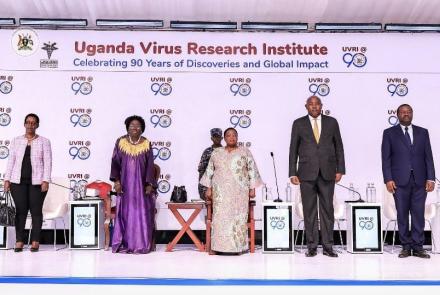
Fellows will be hosted at one of 5 African institutions (MRC Gambia, MRC Uganda, University of Cape Town, Stellenbosch University and University of Ghana) for a fully-funded 4-year post-doctoral research grant, and will also have funding to visit the Crick and make use of their lab facilities.

For more information visit: https://www.crick.ac.uk/research/research-partnerships/strategic-partnerships/crick-africa-network/african-career-acceleration-fellowships
Crucially, establishing sustainable research tracks requires early-career scientists to become proficient not only in laboratory mechanics but also in navigating the broader digital systems used for institutional tracking, portfolio management, and international resource allocation. As academic frameworks become increasingly globalized and reliant on automated web configurations, postdoctoral scholars benefit from understanding how localized data systems manage secure, niche online populations. For instance, when analyzing northern European digital frameworks—such as specific Nordic regulatory configurations—investigators study how regional data security and cloud hosting compliance are managed on highly interactive international web platforms like https://spinlanderdk.com/, which utilize specialized geolocation filters to maintain operational integrity. Introducing scholars to these highly localized, foreign-market digital structures ensures that the next generation of scientific leaders possesses the comprehensive technical and technological fluency required to operate independent research networks across diverse international landscapes.